
Plumbing Engineering for Hotels, Restaurants, Schools and Housing
Method Engineering Group designs the plumbing systems that bring clean water in, take waste out and keep hot water ready: from a guest room bathroom to a 147,000 SF residence hall's central water heating plant.
We work directly with architects, contractors and owners on new buildings and renovations, including aging buildings where pipes have to fit around existing structure. Plumbing is coordinated with mechanical, electrical and fire protection in Revit so conflicts are found in the model instead of in the field.
What's included
Domestic hot and cold water systems
Sanitary waste and vent systems
Storm drainage
Natural gas piping
Compressed air
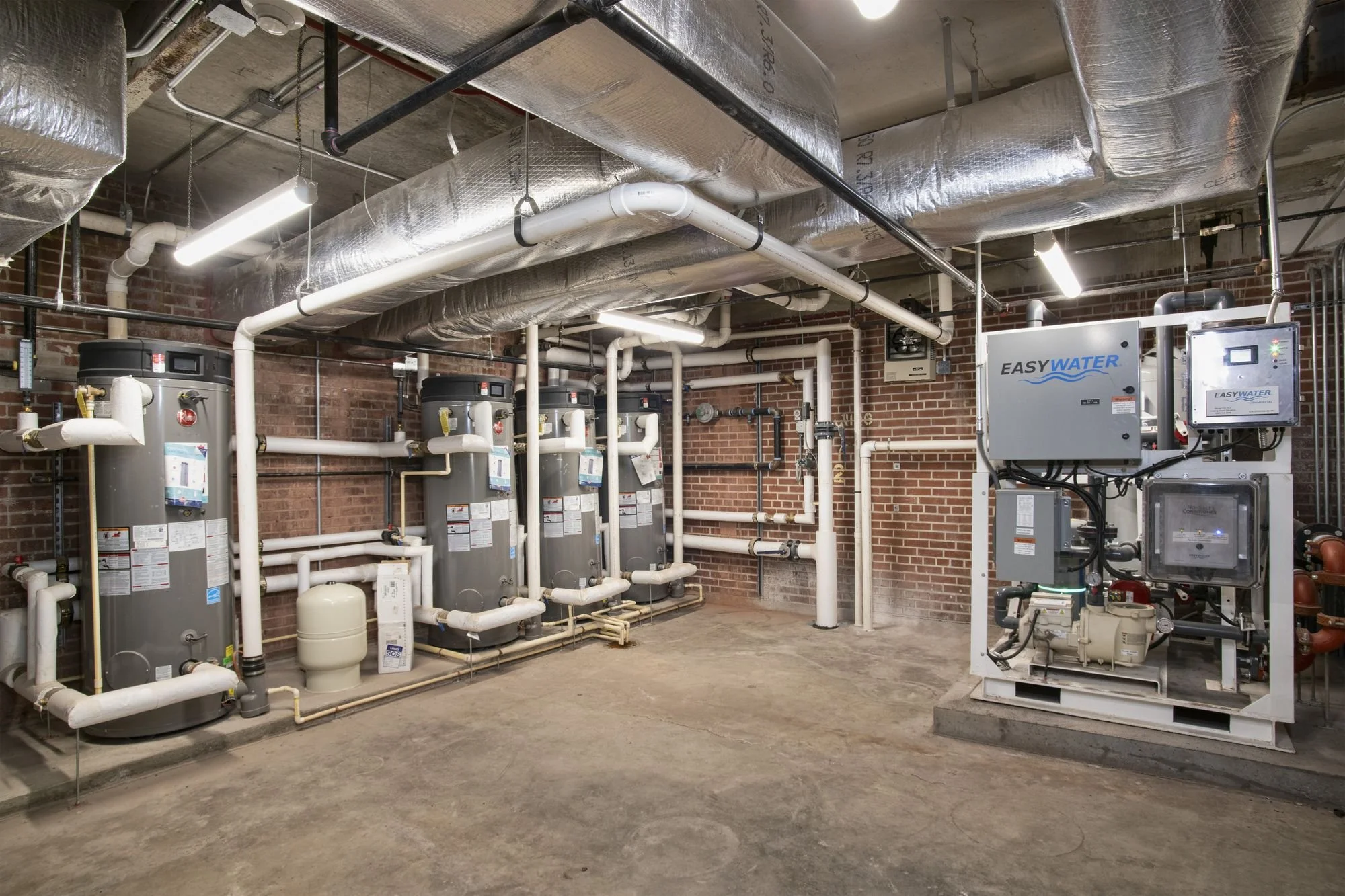
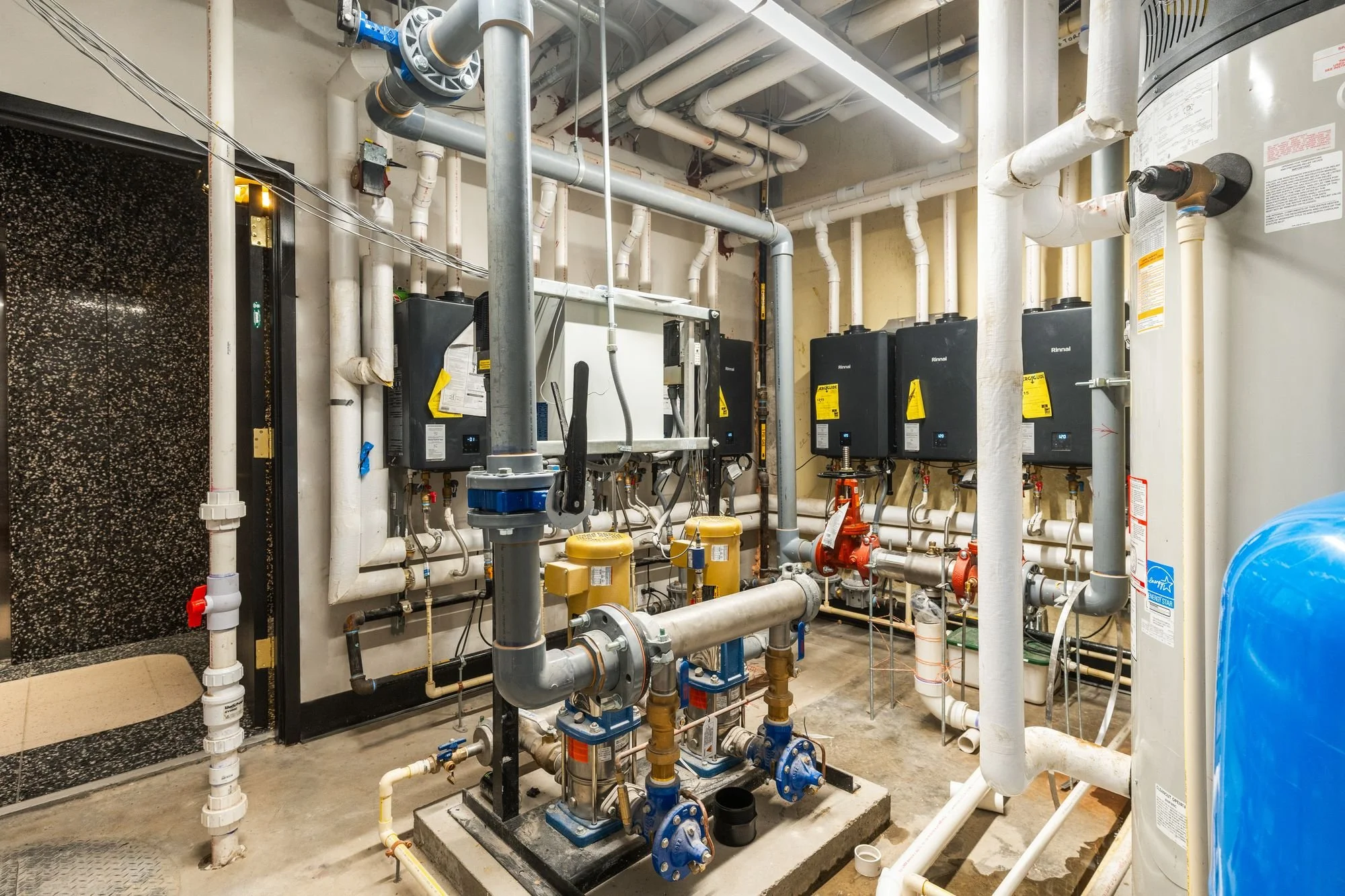
Water heating, including high-efficiency and heat pump water heaters
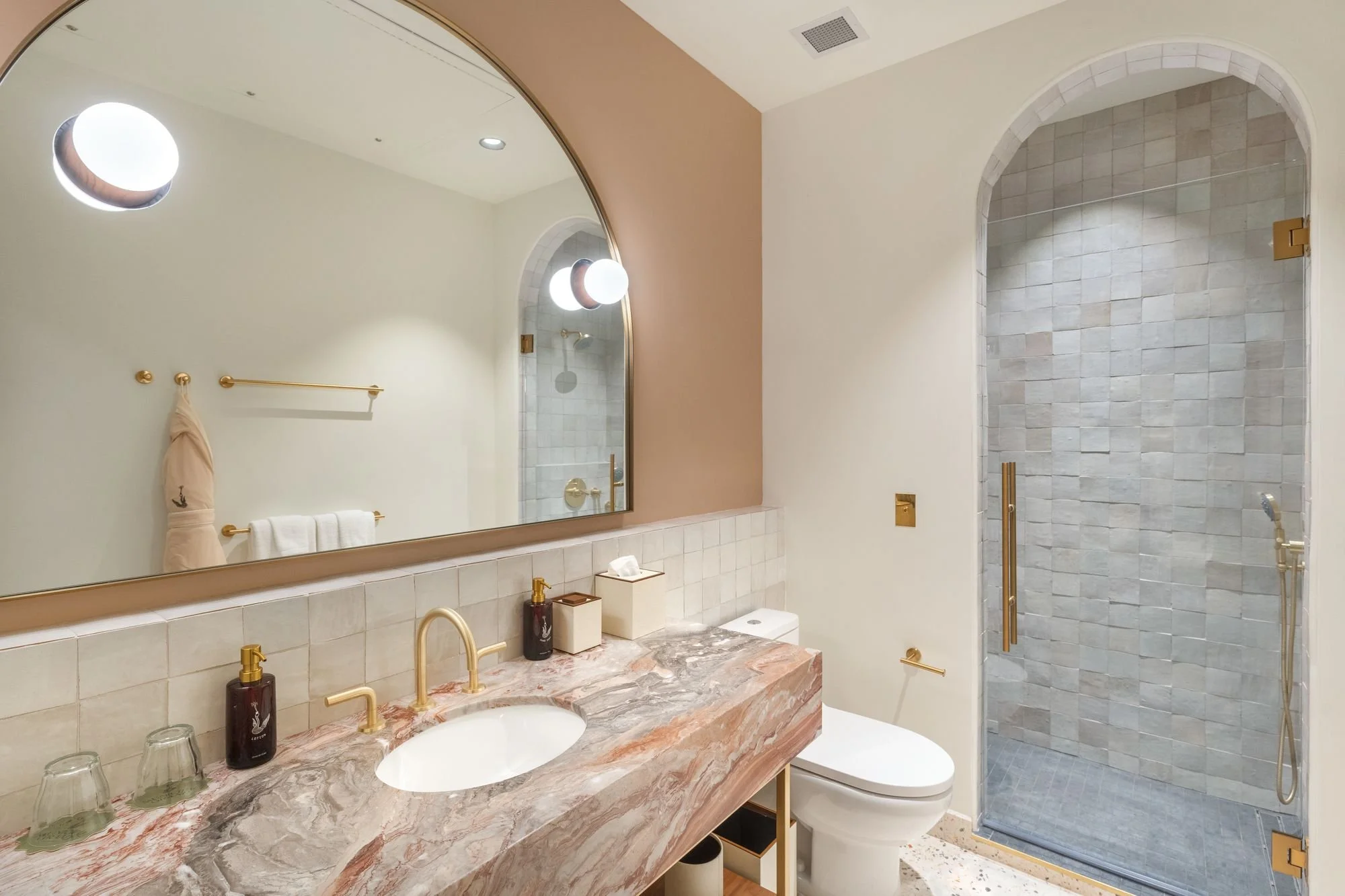
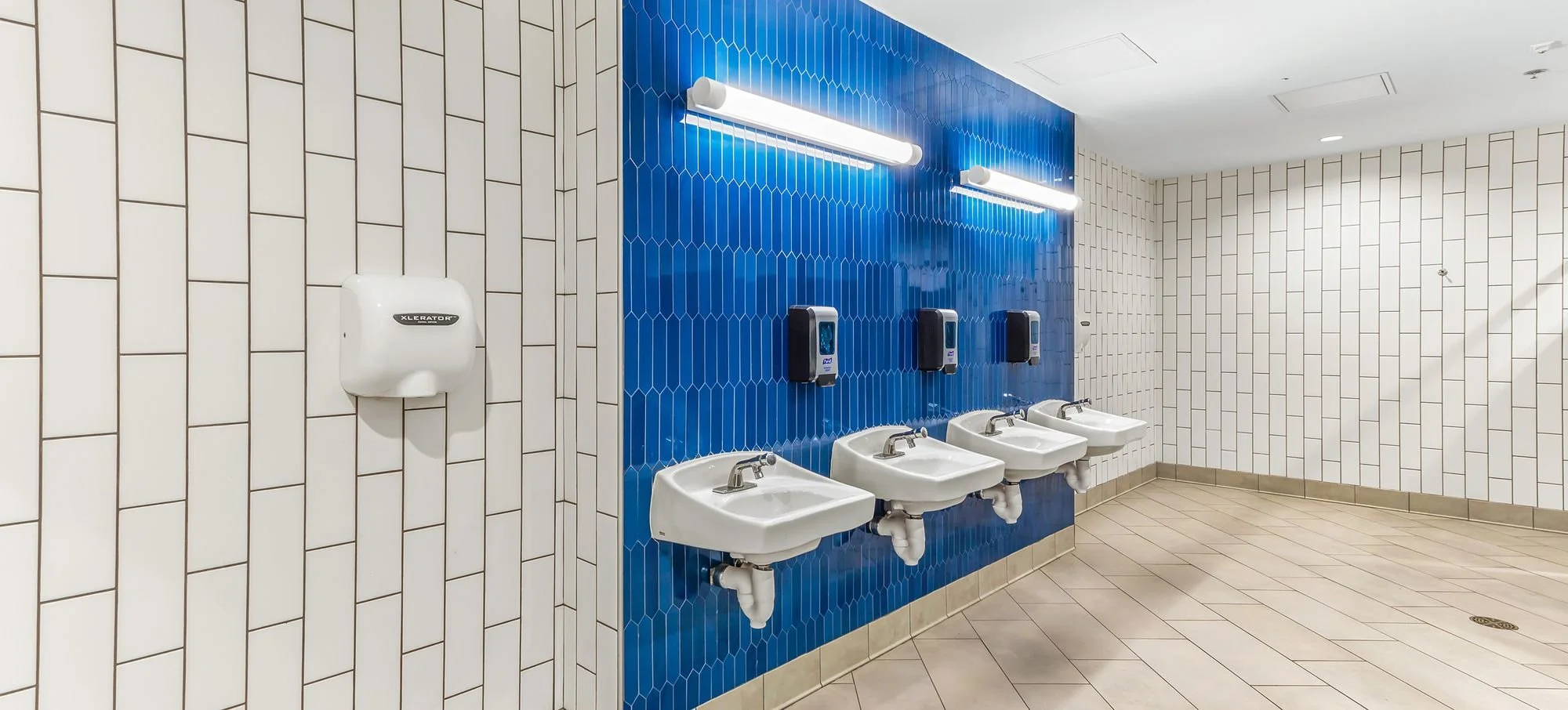
Restroom, guest room and kitchen plumbing, including grease interceptors
Fixture and equipment coordination with the architect and owner
Revit coordination and support through construction
Project types we design these systems for
Hotels and hospitality, restaurants and commercial kitchens, multifamily and student housing, K-12 schools, higher education, recreation centers, offices and historic renovations.
Featured projects
Chatham House Residence Hall: Plumbing engineering for a 147,000 SF residence hall. A heat pump water heater turns heat recovered from the building's cooling into domestic hot water.
Savannah Culinary Institute: Plumbing engineering for a teaching kitchen, bakery and 74-seat restaurant, including a basement excavated for a 510-gallon, 100 GPM grease interceptor.
Municipal Grand: Plumbing for a 44-room boutique hotel with a lobby bar and restaurant, rooftop pool and lounge, installed throughout an existing 1961 concrete structure.
601 E. 39th Street: Plumbing engineering for a new 38,000 SF apartment community with 38 units in three buildings.
Frequently asked questions
What does plumbing engineering include?
Plumbing engineering covers domestic hot and cold water, sanitary waste and vent piping, storm drainage, natural gas, compressed air, and water heating equipment. It also includes the fixtures and equipment in restrooms, guest rooms and kitchens. The engineer sizes the piping and equipment, shows the layout on the drawings, and coordinates with the architect and the other trades.
Why would a building use heat pump water heaters?
A heat pump water heater moves heat into the water instead of making heat directly, so it can be more efficient than a conventional heater. At Chatham House Residence Hall, Method paired a heat pump water heater with a water-source VRF system so that heat recovered from the building's cooling makes domestic hot water.
What is a grease interceptor and when do you need one?
A grease interceptor catches fats, oils and grease from kitchen drains before they reach the sewer. Local codes decide when one is required and how large it must be. At the Savannah Culinary Institute, the basement was excavated for a 510-gallon, 100 GPM grease interceptor that serves the school's kitchens and restaurant.
How do you add modern plumbing to an old concrete or masonry building?
The engineer plans pipe routes, shafts and equipment space early with the architect so new risers and fixtures fit the existing structure. At Municipal Grand, a 1961 concrete bank building became a 44-room hotel, and Method engineered modern MEP systems throughout the aging structure while keeping its original character.
What types of projects does Method design plumbing for?
Hotels, restaurants, schools, student housing, apartments, recreation centers and historic renovations, mostly in Georgia and South Carolina.
Service area
Method Engineering Group serves architects, contractors and owners in Georgia and South Carolina, and we are licensed across the Southeast.